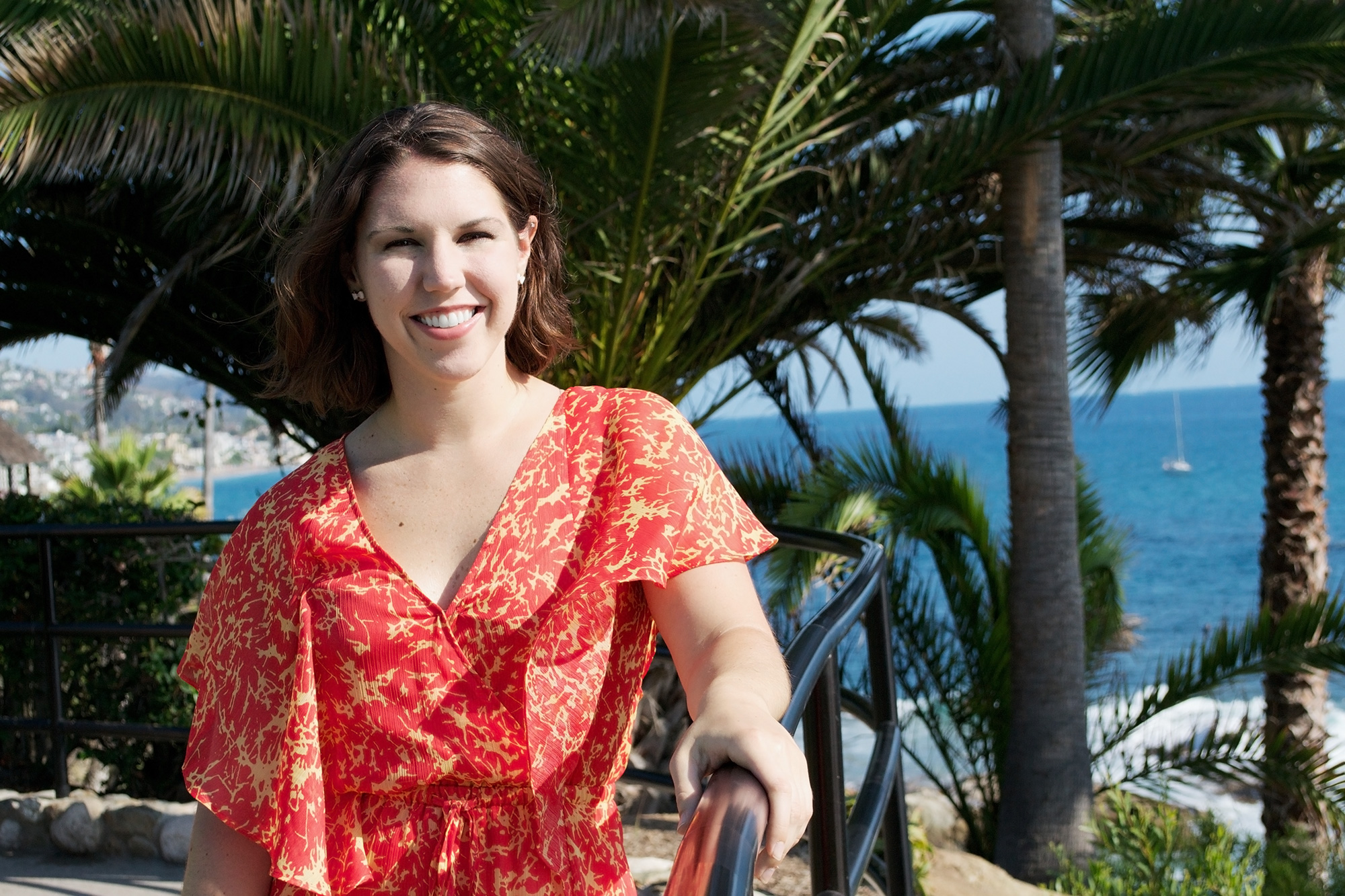









Nathan Racine’s job is about getting people from point A to point B. He does it by means of travel he’s quite passionate about—aviation.
“The life of an airline pilot is sensational,” he says. “You see the world. You get to visit places you never thought you would go and rarely stay anywhere long enough to get bored. Plus, I love that I always seem to get a window seat.”
Racine, 23, is an airline captain for Air Choice One based out of St. Louis, Missouri.
For him, this job fulfills a lifelong passion. He says he’s been fascinated by planes since he was a child: “My parents took me on a sightseeing flight and the pilot let me sit with him,” he recalls. “The second he started the engine, I knew I wanted to fly.”
As an airline pilot, Racine flies and navigates airplanes transporting people and cargo on a fixed schedule.
For young pilots like Racine, the opportunities are as wide as the open sky. While the actual number of jobs is predicted to decline 7% between 2012 and 2022, a lot of turnover is expected over the next seven years as a hefty number of pilots will reach the forced retirement age of 65. Right now, Airline pilots earn an average annual salary of $102,000 according to PayScale.
We caught up with Racine before he put his wheels up to find out what life is really like in the cockpit.
How he got into aviation
Racine started flight school while attending high school in Canton, Ohio. You don’t have to be a particular age to start training, but you can’t fly solo until you’re 16 or receive certification until age 17, according to the Aircraft Owners and Pilots Association.
In order to be paid to fly, one must have a commercial pilot’s license from the Federal Aviation Administration. Airline pilots are also required to receive an Airline Transport Pilot certificate, according to BLS.
Though not required, most airlines prefer a college degree in a relevant field. Racine earned a degree in air traffic control and flight safety from Embry-Riddle Aeronautical University in Daytona Beach, Florida.
Air Choice One is Racine’s first job, an opportunity he earned through networking with a fellow pilot.
What his typical day looks like
The average day for a pilot is contingent upon their seniority.
“When you’re new, you’re typically on call. You may be at home one minute, then, three hours later, you’re flying from Denver to Cheyenne,” explains Racine, who usually flies to multiple cities in a day.
Every day he has a different route. One day might start in Los Angeles and end in South Dakota with a layover in Denver.
What skills he says are important
In addition to flight training, Racine says teamwork and a positive mental attitude are important skills.
“On rough days, being positive becomes a skill and is critical in this industry,” he says. “Positivity is one means of establishing an open line of communication and creates a healthy work environment.”
Additionally, being a people-person is helpful since pilots work with many different people who should feel comfortable approaching you. Racine explains it’s critical for one’s co-pilot to feel comfortable sharing every flight related concern for safety.
What he says are the biggest challenges
The challenges pilots face are rarely the same each day, he says.
“One day the challenge may be getting into Chicago O'Hare early enough so that the passenger in seat 4A can make her Denver connection,” he says. “The next day, the challenge may be the weather.”
His career advice for aspiring pilots
Racine wants young pilots to know that getting their first job could be the hardest part.
He used his degree to explore other areas of aviation so he understands more about what happens outside the cockpit. This gave him a tremendous respect for air traffic controllers and a skill that could lead to other opportunities down the line.
Above all, Racine advises pilots in training to have fun. "The funny thing about having a goal is that we seem to focus on what we want that we forget to enjoy what we have,” he says. “Enjoy flight training. You'll make it to your dreams one day.”






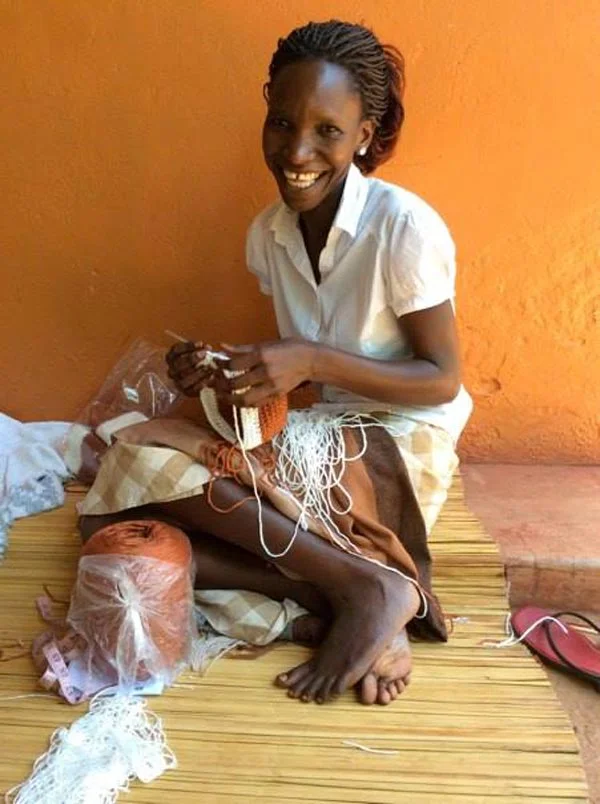
"An opportunity to flourish does not start with a handout, it starts with a job.” These words are spoken over the images of a young woman working at a sewing table inside a small workspace in Lima, Peru. The video above, hosted up on the Krochet Kids International website, serves as an introduction into an organization focused on empowering women to rise above poverty.
Krochet Kids International is a nonprofit organization founded by three men from Spokane, Washington with a vision to create sustainable economic development programs that support holistic growth of individuals and communities living in poverty. The charities’ three founders, Kohl Crecelius, Stewart Ramsey and Travis Hartanov started by crocheting ski hats for their friends and family.
“We were encouraged to teach people in developing countries how to crochet as a means of breaking the cycle of poverty,” Crecelius explains on the nonprofit's site. “At first, I thought the world needed something more drastic than crochet, something much more profound. That was until Stewart returned home after a summer spent in Uganda."
A fashion brand with a social mission
After witnessing extreme poverty in developing nations during volunteer trips, the trio decided to teach crocheting to people in impoverished countries. After traveling to Uganda to meet with a group of women to teach them how to crochet, the trio founded Krochet Kids International, which would sell the handcrafted hats to the United States and, in turn, use proceeds to provide fair wages, training and development courses to educate women.

The job hunt can be a daunting task when you’re unsure if a company is a good fit for you. Without any connections, it’s often hard to understand what the working culture is like on the inside.
Startup culture seems to hold a similar truth among young companies: people love where they work. Here’s a look at two Boston-based growing startups and an inside perspective on benefits and the company culture.
CoachUp, Connecting Athletes With Private Coaches
CoachUp connects more than 100,000 athletes with more than 13,000 private coaches for one-on-one and small group training to help those looking to develop skills and reach their goals. The startup trains in more than 30 sports, including baseball, diving, kickboxing, martial arts, triathlon, yoga and many more.
Jordan Fliegel and Arian Radmand founded the company on their belief that private coaching is the secret to success for improvement and helping any person with an athletic goal reach their full potential.
Now, the nation's leading private coaching company, CoachUp's Athlete Advisory Council, which weighs in on business endeavors and program needs and services, includes New England Patriots' Julian Edelman, Boston Bruins President Cam Neely and Philadelphia 76ers' Nerlens Noel.
Last year alone, CoachUp was recognized in Forbes' "30 under 30", Boston Business Journal's Healthiest Employer and Boston Innovation's "50 on Fire."
In celebration of Teacher Appreciation Week, Monster interviewed two teachers who took an alternative route in education.
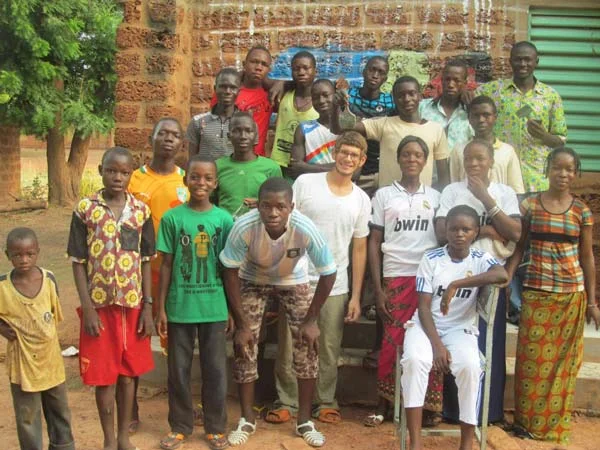
Dylan Manderlink, 23, teaches digital communications for Teach For America (TFA), a national teacher corps focused on raising student achievement in public schools and David Sinopoli, 25, who recently returned from aPeace Corps term in Burkina Faso (a landlocked country in West Africa) where he taught middle school math, science and English.
The typical route in education
To become a teacher you’ll need a degree in education (or master’s degree depending on where you want to teach), experience working with students and a certification or teaching credential for the state you want to work in. Specific requirements and testing varies by state, but in most you have to pass a content-knowledge test or complete specific college courses related to the subject you will teach. Prior to joining TFA, many corps members have not competed a traditional course of study in education, so most states will consider them nontraditional teachers. However, each state has different requirements and rules on earning credentials, sometimes referred to as alternative certificates or licenses.
“There are so many benefits to doing Teach For America,” Manderlink says. “Having the opportunity to uproot my life, move to a completely new region of the country, immerse myself in a new regional culture and community and meet students and teachers who inspire me everyday has been unforgettable.”
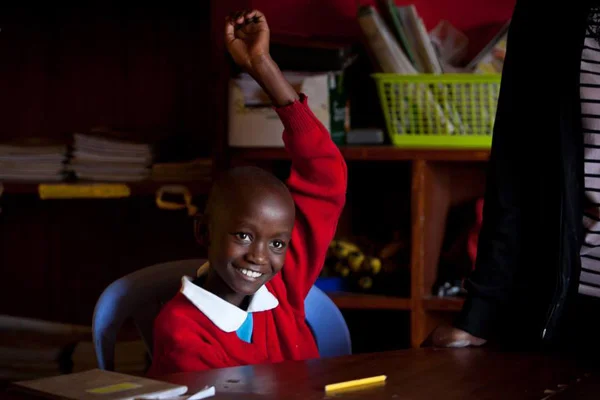
In honor of Women’s History month this March, Monster would like to highlight an organization run by women for women. She’s the First is a nonprofit organization that sponsors girls’ education in low-income countries, giving them the opportunity to become the first in their families to graduate from a secondary school. With 450 scholars in 10 countries, this organization hopes their student leaders and scholars will become agents of change in their communities to break the cycle of poverty and work toward transforming our world.